




Kawarake is an earthenware pot used for drinking sake that was used at banquets durign the samurai era. This small plate is engraved with the Kuyo emblem of Myoken...

-
 Kawarake Plate, Celadon
Sold Out -
 Kawarake Plate, Ivory
Sold Out -
 Mount Adatara Chopstick Rest
$ 12.00 -
 Mount Bandai Chopstick Rest
$ 12.00 -
 Rice Bowl Chopstick Rest, Brown
$ 15.00 -
 Rice Bowl Chopstick Rest, White
$ 15.00 -
 Running Horse Chopstick Rest, Black
$ 12.00 -
 Running Horse Chopstick Rest, Pink
$ 12.00 -
 Running Horse Chopstick Rest, Blue
$ 12.00 -
 Running Horse Chopstick Rest, Green
$ 12.00 -
 Horseshoe Chopstick Rest, Black
$ 12.00 -
 Horseshoe Chopstick Rest, Pink
$ 12.00 -
 Horseshoe Chopstick Rest, Blue
$ 12.00 -
 Horseshoe Chopstick Rest, Green
$ 12.00 -
 Kurashi no Kaori Candle Vessel, Frosted Glass
Sold Out -
 Kurashi no Kaori Candle Vessel, Bone China
$ 88.00 -
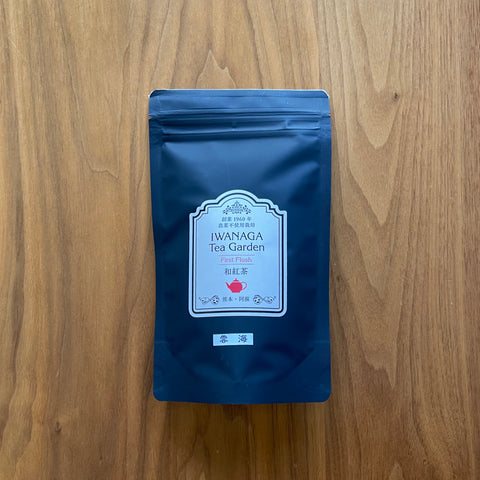
 Unkai 1st Harvest Japanese Black Tea by Iwanaga Tea Garden
Sold Out -
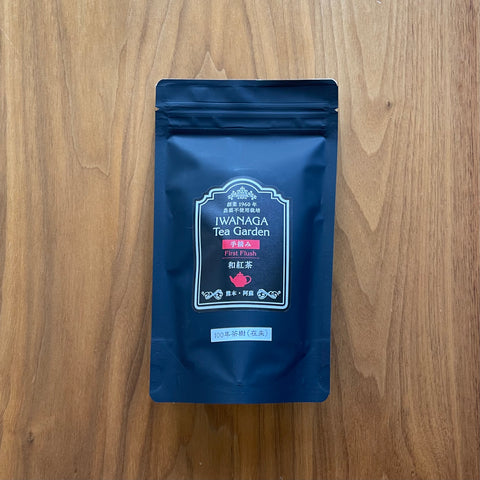
 100 Years Old Tea Tree 1st Harvest Hand Picking Japanese Black Tea by Iwanaga Tea Garden
Sold Out -
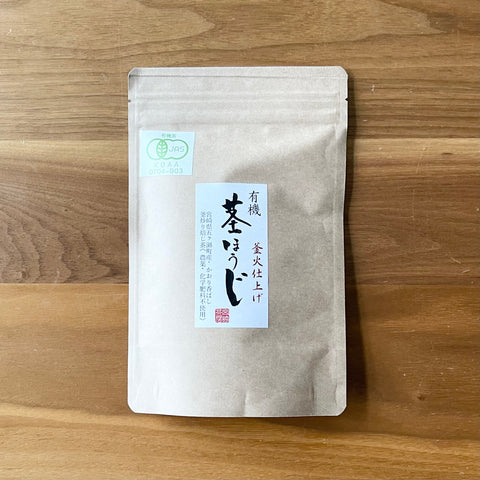
 Organic Stem Hojicha by Miyazaki Sabou
$ 25.00 -
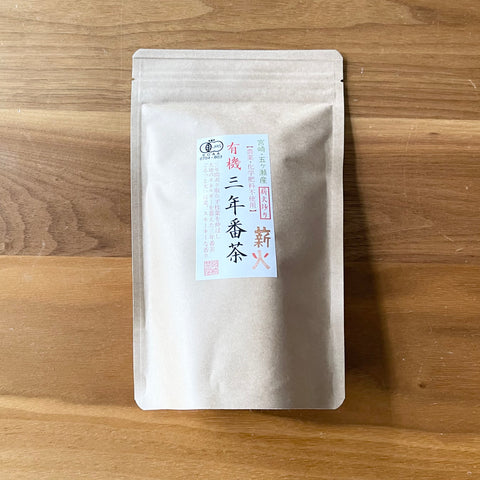
 Organic 3 Year Aged Bancha (For Boiling) by Miyazaki Sabou
$ 28.00 -
 Organic Genmaicha by Miyazaki Sabou
Sold Out -
 Nijiyura Tenugui, 12 Zodiac Animals
$ 24.00 -
 Nijiyura Tenugui, Star Festival
Sold Out -
 Nijiyura Tenugui, Sanma and Sudachi, White
$ 24.00